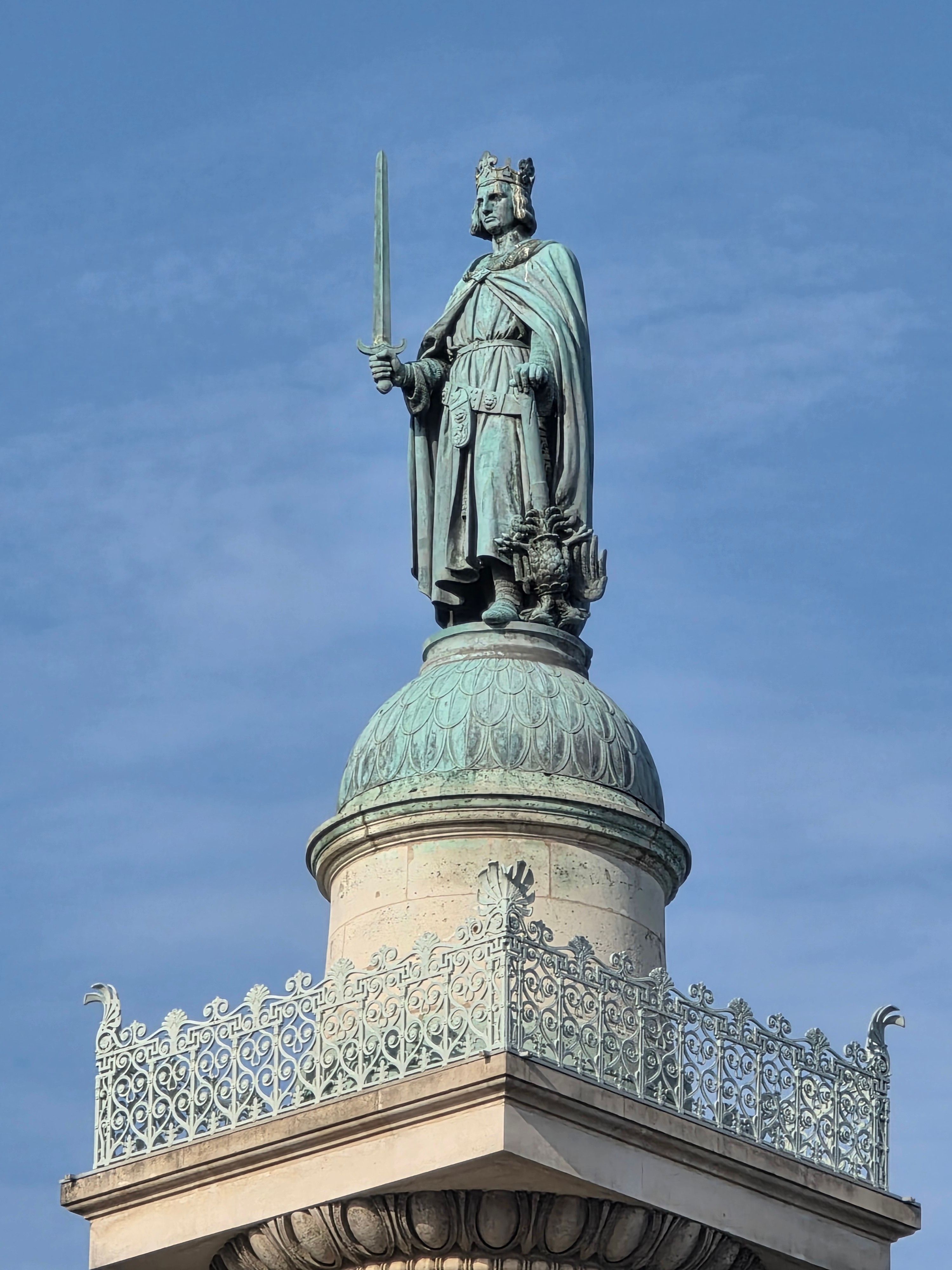
As most of us know, politics can be complicated. Leaders (whether Kings, Presidents, Prime Ministers and others) are all very different depending on the politics of the nation (e.g., Democracy, Socialist, etc), the amount of power available to a leader, the personality and wisdom (or lack of wisdom) of a leader and the times when that person is leading. For example, during times of war, a leader may require more power and authority than when he/she is leading in times of peace and prosperity. There are so many other factors involved, and Qoheleth here is talking of the frustration of actually knowing how to respond as the people under such leadership.
Consider examples in the Bible such as Joseph in Egypt placed surprisingly in a leadership role under the Pharoah. Or of Daniel, again finding himself involved in the rather complex politics of Persia. They needed God’s wisdom and discernment and so do we. Then in the time of Jesus and the 1st Century church, there were numerous situations when they had to deal with leadership in one way or another.
One interesting example in Jesus’ life is found in Matthew 22:15-22 as follows:
15 Then the Pharisees met together to plot how to trap Jesus into saying something for which he could be arrested. 16 They sent some of their disciples, along with the supporters of Herod, to meet with him. “Teacher,” they said, “we know how honest you are. You teach the way of God truthfully. You are impartial and don’t play favorites. 17 Now tell us what you think about this: Is it right to pay taxes to Caesar or not?”
18 But Jesus knew their evil motives. “You hypocrites!” he said. “Why are you trying to trap me? 19 Here, show me the coin used for the tax.” When they handed him a Roman coin, 20 he asked, “Whose picture and title are stamped on it?”
21 “Caesar’s,” they replied.
“Well, then,” he said, “give to Caesar what belongs to Caesar, and give to God what belongs to God.”
22 His reply amazed them, and they went away.
So, Qoheleth has some thoughts concerning all this as follows:
2 Obey the king’s command, I say, because you took an oath before God. 3 Do not be in a hurry to leave the king’s presence. Do not stand up for a bad cause, for he will do whatever he pleases. 4 Since a king’s word is supreme, who can say to him, “What are you doing?”
5 Whoever obeys his command will come to no harm,
and the wise heart will know the proper time and procedure.
6 For there is a proper time and procedure for every matter,
though a person may be weighed down by misery.
7 Since no one knows the future,
who can tell someone else what is to come?
8 As no one has power over the wind to contain it,
so no one has power over the time of their death.
As no one is discharged in time of war,
so wickedness will not release those who practice it.
9 All this I saw, as I applied my mind to everything done under the sun. There is a time when a man lords it over others to his own hurt. 10 Then too, I saw the wicked buried—those who used to come and go from the holy place and receive praise in the city where they did this. This too is meaningless.
C wright summarizes Qoheleth’s thoughts in the above passage as:
“If you are in some administrative post as part of the government machinery, you may find that you have to do things that, for personal or ethical reasons, you would normally avoid. But because of your oath that you took before God to show loyalty to the head of government (whether king, president, prime minister, or whatever), you will have to submit to that higher human authority (v. 2). You will face uncomfortable clashes between your conscience and your political allegiance—a dilemma of faith and political loyalty that afflicts Christians in politics still. And whatever your personal standing as an advisor to the head of government, remember who is the boss. He will do whatever he wants anyway, so your choices are tough. And he may rule autocratically, unaccountable to anyone and accepting no criticism (vv. 3–4). The wisest course in most circumstances is to go along with your instructions, use your discretion and common sense, and hope for the best but prepare for the worst (vv. 5–6). And since nothing in life is certain, except death, politics is intrinsically unpredictable, except that wickedness will catch up with you in the end. So, all in all, politics brings tough decisions and unseen dangers. When anybody exercises power over others, people get hurt—sometimes the one wielding the power (vv. 7–9). (# 60)
Let me finish with Paul’s wise words to Timothy:
I urge you, first of all, to pray for all people. Ask God to help them; intercede on their behalf, and give thanks for them. 2 Pray this way for kings and all who are in authority so that we can live peaceful and quiet lives marked by godliness and dignity. 3 This is good and pleases God our Savior, 4 who wants everyone to be saved and to understand the truth. (1 Timothy 2:1-4)